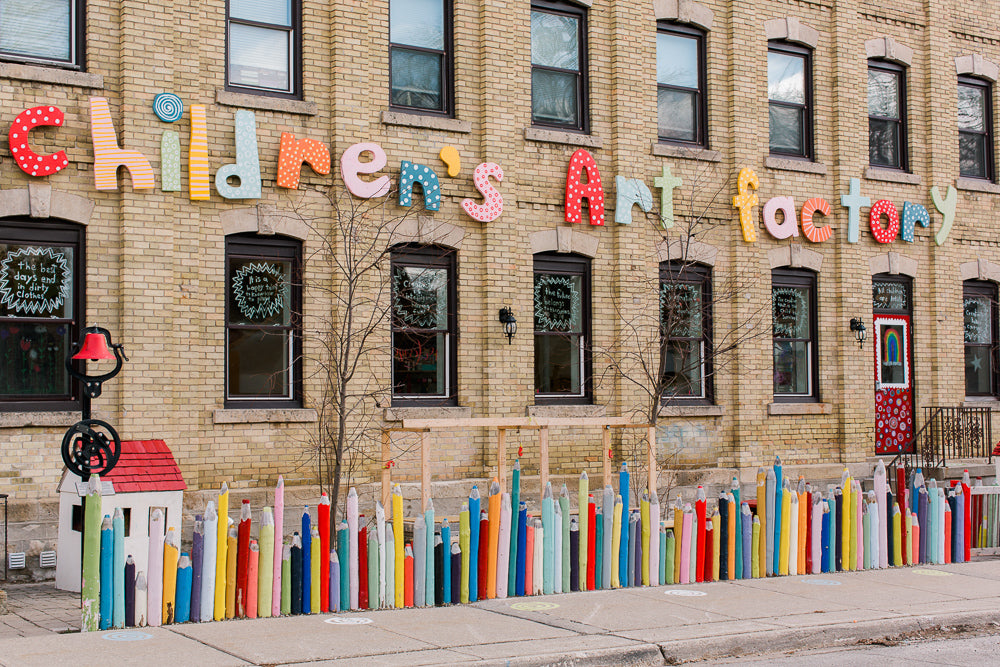
Welcome to The Children’s Art Factory

The Children’s Art Factory on Facebook

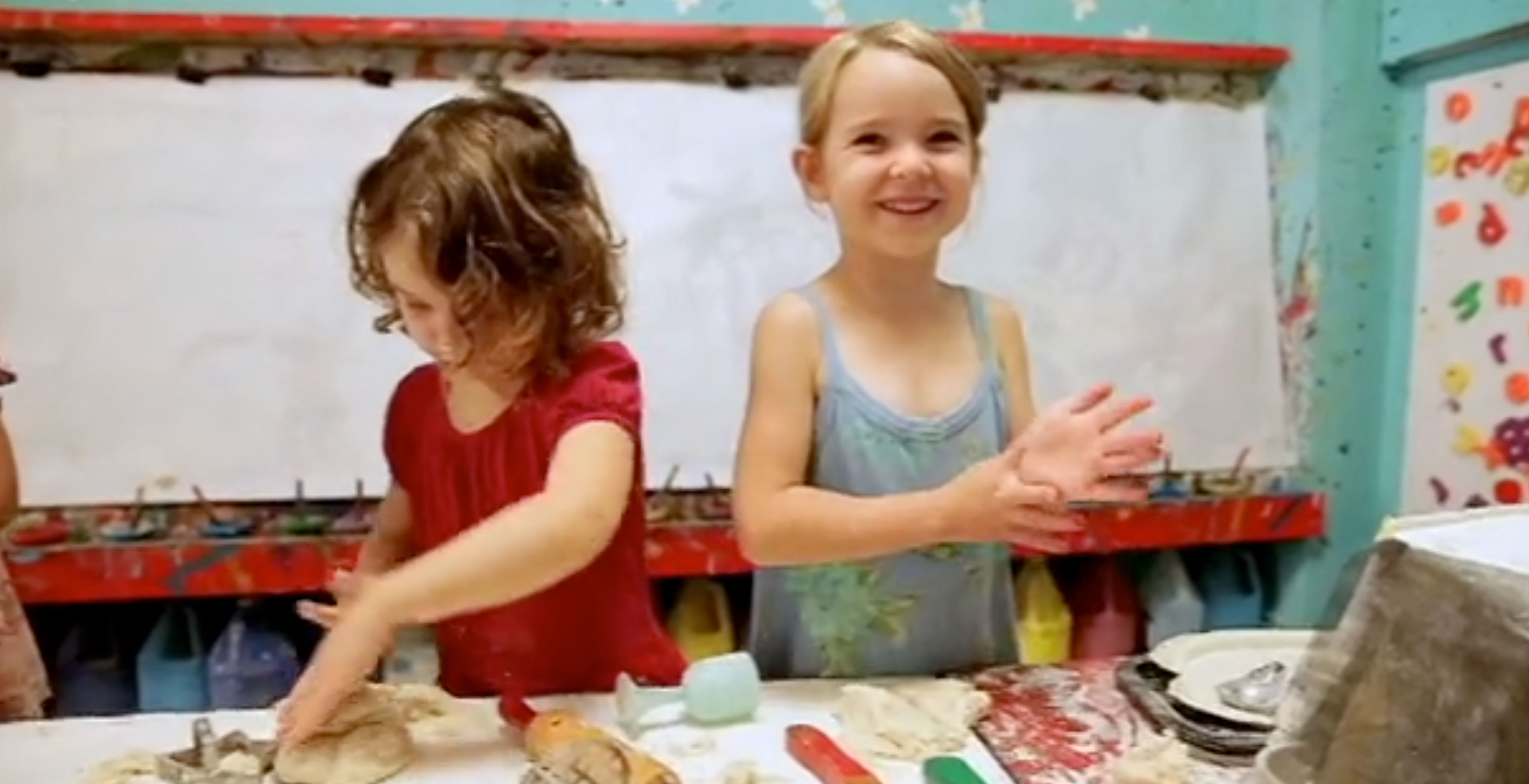
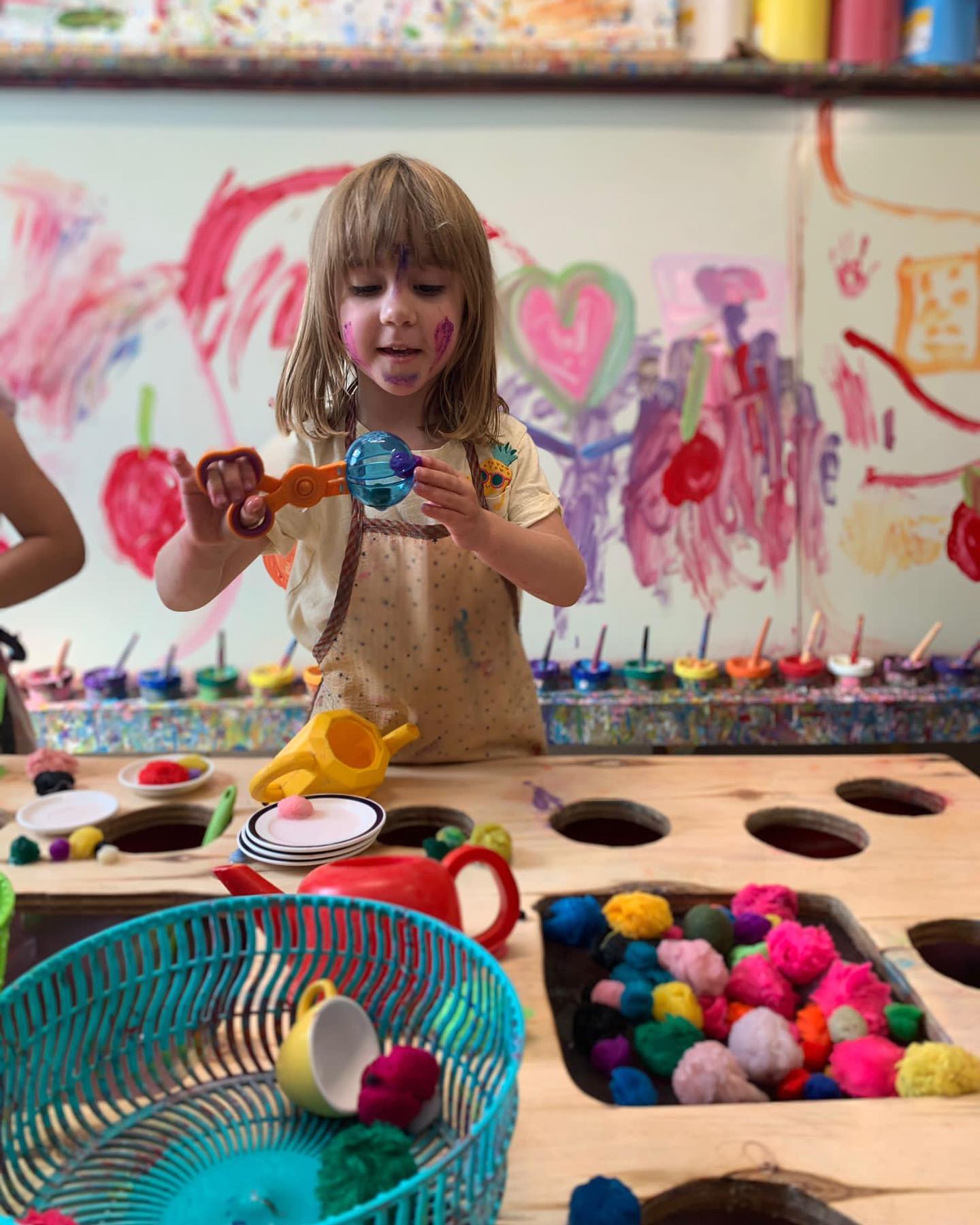
The Children’s Art Factory is a drop-in art program designed for ages 2-7. However, we do not turn anyone away. If you are around in the morning (whatever your age) you are welcome to drop-in and check out the studio.

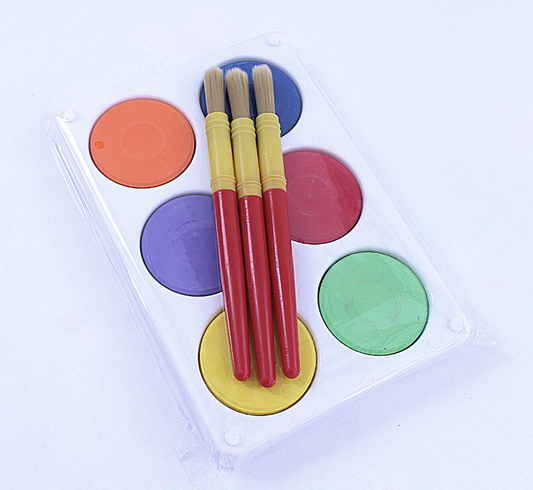
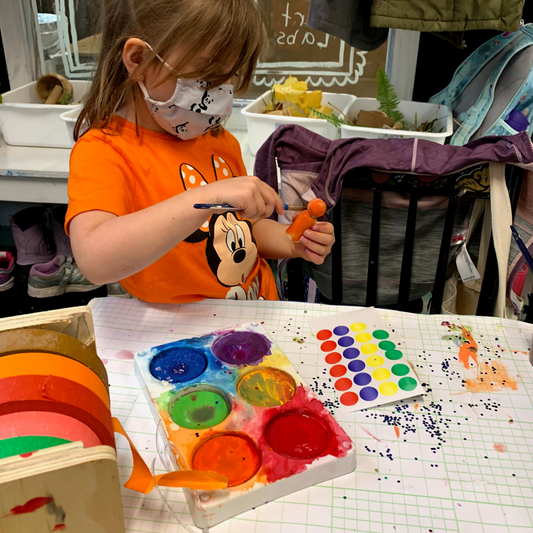
The studio is set up in various stations with a new theme every week. Traditional art materials such as painting are always available, you can even paint on the window! The studio also has a big sand table with moon sand; a stage with costumes; cork wall and usually a big cardboard box that sometimes is a castle or may be a post office, house or variety of other things….

Check our website calendar for weekly themes.

We are open Mon-Sat from 9am to 12pm
admission is $8.00 (cash only please)

Ask us about our Birthday Party packages.
(Saturday Afternoon & Sunday Parties – Dates are filling up fast)

May 2012
Sun Mon Tues Wed Thur Fri Sat
    1

construction play Event Details

Close
9:00 am12:00 pm

The Theory of Loose Parts

The theory of loose parts has begun to influence child-play experts and playscape designers in a big way. It was first proposed back in the 1970's by architect Simon Nicholson, who believed that it is the loose parts in our environment that empower our creativity.
I've been thinking about having a loose parts themed activity and construction play suits this activity well. The studio will be an empty space this week. I am hoping the children will feel comfortable building things from various building materials I have set out and we will see what they come up with!

What are Loose Parts?

loose parts are materials that can be moved, carried, combined, redesigned, lined up, and taken apart and put back together in multiple ways. They are materials with no specific set of directions that can be used alone or combined with other materials.

Why Loose Parts?

Loose parts can be used anyway children choose.
Loose parts can be adapted and manipulated in many ways.
Loose parts encourage creativity and imagination.
Loose parts develop more skill and competence than most modern plastic toys
Loose parts can be used in many different ways
Loose parts can be used in combination with other materials to support imagination
Loose parts encourage open ended learning.
Children choose loose parts over fancy toys.

2

construction play Event Details

Close
9:00 am12:00 pm

The Theory of Loose Parts

The theory of loose parts has begun to influence child-play experts and playscape designers in a big way. It was first proposed back in the 1970's by architect Simon Nicholson, who believed that it is the loose parts in our environment that empower our creativity.
I've been thinking about having a loose parts themed activity and construction play suits this activity well. The studio will be an empty space this week. I am hoping the children will feel comfortable building things from various building materials I have set out and we will see what they come up with!

What are Loose Parts?

loose parts are materials that can be moved, carried, combined, redesigned, lined up, and taken apart and put back together in multiple ways. They are materials with no specific set of directions that can be used alone or combined with other materials.

Why Loose Parts?

Loose parts can be used anyway children choose.
Loose parts can be adapted and manipulated in many ways.
Loose parts encourage creativity and imagination.
Loose parts develop more skill and competence than most modern plastic toys
Loose parts can be used in many different ways
Loose parts can be used in combination with other materials to support imagination
Loose parts encourage open ended learning.
Children choose loose parts over fancy toys.

3

construction play Event Details

Close
9:00 am12:00 pm

The Theory of Loose Parts

The theory of loose parts has begun to influence child-play experts and playscape designers in a big way. It was first proposed back in the 1970's by architect Simon Nicholson, who believed that it is the loose parts in our environment that empower our creativity.
I've been thinking about having a loose parts themed activity and construction play suits this activity well. The studio will be an empty space this week. I am hoping the children will feel comfortable building things from various building materials I have set out and we will see what they come up with!

What are Loose Parts?

loose parts are materials that can be moved, carried, combined, redesigned, lined up, and taken apart and put back together in multiple ways. They are materials with no specific set of directions that can be used alone or combined with other materials.

Why Loose Parts?

Loose parts can be used anyway children choose.
Loose parts can be adapted and manipulated in many ways.
Loose parts encourage creativity and imagination.
Loose parts develop more skill and competence than most modern plastic toys
Loose parts can be used in many different ways
Loose parts can be used in combination with other materials to support imagination
Loose parts encourage open ended learning.
Children choose loose parts over fancy toys.

4

construction play Event Details

Close
9:00 am12:00 pm

The Theory of Loose Parts

The theory of loose parts has begun to influence child-play experts and playscape designers in a big way. It was first proposed back in the 1970's by architect Simon Nicholson, who believed that it is the loose parts in our environment that empower our creativity.
I've been thinking about having a loose parts themed activity and construction play suits this activity well. The studio will be an empty space this week. I am hoping the children will feel comfortable building things from various building materials I have set out and we will see what they come up with!

What are Loose Parts?

loose parts are materials that can be moved, carried, combined, redesigned, lined up, and taken apart and put back together in multiple ways. They are materials with no specific set of directions that can be used alone or combined with other materials.

Why Loose Parts?

Loose parts can be used anyway children choose.
Loose parts can be adapted and manipulated in many ways.
Loose parts encourage creativity and imagination.
Loose parts develop more skill and competence than most modern plastic toys
Loose parts can be used in many different ways
Loose parts can be used in combination with other materials to support imagination
Loose parts encourage open ended learning.
Children choose loose parts over fancy toys.

5

construction play Event Details

Close
9:00 am12:00 pm

The Theory of Loose Parts

The theory of loose parts has begun to influence child-play experts and playscape designers in a big way. It was first proposed back in the 1970's by architect Simon Nicholson, who believed that it is the loose parts in our environment that empower our creativity.
I've been thinking about having a loose parts themed activity and construction play suits this activity well. The studio will be an empty space this week. I am hoping the children will feel comfortable building things from various building materials I have set out and we will see what they come up with!

What are Loose Parts?

loose parts are materials that can be moved, carried, combined, redesigned, lined up, and taken apart and put back together in multiple ways. They are materials with no specific set of directions that can be used alone or combined with other materials.

Why Loose Parts?

Loose parts can be used anyway children choose.
Loose parts can be adapted and manipulated in many ways.
Loose parts encourage creativity and imagination.
Loose parts develop more skill and competence than most modern plastic toys
Loose parts can be used in many different ways
Loose parts can be used in combination with other materials to support imagination
Loose parts encourage open ended learning.
Children choose loose parts over fancy toys.

6 7

water play Event Details

Close
9:00 am12:00 pm

One of the most important sensory experiences: Water

In addition to honing sensory and science skills, sensory play builds language, social, and dramatic play skills as the children negotiate with one another to share tools, create stories, and build dialogues. Both small and large motor skills get a boost as well, as the children manipulate the medium and tools of the day. Creative, divergent thinking is displayed as the children are essentially invited to explore and come up with new ways to use the materials. Cognitive skills are fostered as well as the children learn about specific concepts pertinent to the bin’s contents. Things like gravity, parts of plants, states of matter, and color mixing are easily explored and understood through sensory play. As you teach appropriate boundaries with sensory play, children develop more self-control and body awareness.

As one of the truest open-ended activities, sensory play provides an opportunity for every child to succeed.

8

water play Event Details

Close
9:00 am12:00 pm

One of the most important sensory experiences: Water

In addition to honing sensory and science skills, sensory play builds language, social, and dramatic play skills as the children negotiate with one another to share tools, create stories, and build dialogues. Both small and large motor skills get a boost as well, as the children manipulate the medium and tools of the day. Creative, divergent thinking is displayed as the children are essentially invited to explore and come up with new ways to use the materials. Cognitive skills are fostered as well as the children learn about specific concepts pertinent to the bin’s contents. Things like gravity, parts of plants, states of matter, and color mixing are easily explored and understood through sensory play. As you teach appropriate boundaries with sensory play, children develop more self-control and body awareness.

As one of the truest open-ended activities, sensory play provides an opportunity for every child to succeed.

9

water play Event Details

Close
9:00 am12:00 pm

One of the most important sensory experiences: Water

In addition to honing sensory and science skills, sensory play builds language, social, and dramatic play skills as the children negotiate with one another to share tools, create stories, and build dialogues. Both small and large motor skills get a boost as well, as the children manipulate the medium and tools of the day. Creative, divergent thinking is displayed as the children are essentially invited to explore and come up with new ways to use the materials. Cognitive skills are fostered as well as the children learn about specific concepts pertinent to the bin’s contents. Things like gravity, parts of plants, states of matter, and color mixing are easily explored and understood through sensory play. As you teach appropriate boundaries with sensory play, children develop more self-control and body awareness.

As one of the truest open-ended activities, sensory play provides an opportunity for every child to succeed.

10

water play Event Details

Close
9:00 am12:00 pm

One of the most important sensory experiences: Water

In addition to honing sensory and science skills, sensory play builds language, social, and dramatic play skills as the children negotiate with one another to share tools, create stories, and build dialogues. Both small and large motor skills get a boost as well, as the children manipulate the medium and tools of the day. Creative, divergent thinking is displayed as the children are essentially invited to explore and come up with new ways to use the materials. Cognitive skills are fostered as well as the children learn about specific concepts pertinent to the bin’s contents. Things like gravity, parts of plants, states of matter, and color mixing are easily explored and understood through sensory play. As you teach appropriate boundaries with sensory play, children develop more self-control and body awareness.

As one of the truest open-ended activities, sensory play provides an opportunity for every child to succeed.

11

water play Event Details

Close
9:00 am12:00 pm

One of the most important sensory experiences: Water

In addition to honing sensory and science skills, sensory play builds language, social, and dramatic play skills as the children negotiate with one another to share tools, create stories, and build dialogues. Both small and large motor skills get a boost as well, as the children manipulate the medium and tools of the day. Creative, divergent thinking is displayed as the children are essentially invited to explore and come up with new ways to use the materials. Cognitive skills are fostered as well as the children learn about specific concepts pertinent to the bin’s contents. Things like gravity, parts of plants, states of matter, and color mixing are easily explored and understood through sensory play. As you teach appropriate boundaries with sensory play, children develop more self-control and body awareness.

As one of the truest open-ended activities, sensory play provides an opportunity for every child to succeed.

12

water play Event Details

Close
9:00 am12:00 pm

One of the most important sensory experiences: Water

In addition to honing sensory and science skills, sensory play builds language, social, and dramatic play skills as the children negotiate with one another to share tools, create stories, and build dialogues. Both small and large motor skills get a boost as well, as the children manipulate the medium and tools of the day. Creative, divergent thinking is displayed as the children are essentially invited to explore and come up with new ways to use the materials. Cognitive skills are fostered as well as the children learn about specific concepts pertinent to the bin’s contents. Things like gravity, parts of plants, states of matter, and color mixing are easily explored and understood through sensory play. As you teach appropriate boundaries with sensory play, children develop more self-control and body awareness.

As one of the truest open-ended activities, sensory play provides an opportunity for every child to succeed.

13 14

finger painting Event Details

Close
11:02 am

Kids love, love, LOVE gooey stuff. Love to put their hands in it, love to put their toes in it - sometimes even love to throw it around. They truly come alive when there's colourful sticky stuff around.

But unfortunately children's enjoyment is usually matched, or even exceeded, by their parents' abject terror in the face of goo. The new curtains! The cream carpet! The Persian rug!

Which is a shame, because finger painting has been shown to benefit children's development in important ways:

It stimulates the senses

Finger painting is an activity that involves nearly all the senses. Bright, bold colours to excite the eyes, the satisfying squidgey feel of the paints between fingers, the pleasing squelchy sound as little hands plunge into the pots.

Stimulating children's senses is essential for healthy development of their young brains. Experiencing different textures and colours helps inspire creativity, and using fingers to draw pictures is a great way to develop hand-eye coordination and fine motor skills.

It helps children to express themselves

Finger painting has existed for centuries, but was established in its modern form in the 1930s by Ruth Faison Shaw, the "First Lady of Finger Painting". She was one of the first to recognise its therapeutic potential and was hailed as "a pioneer in progressive education".

At a time when many thought children should be seen and not heard, she saw finger painting as an important way for children to communicate their unexpressed words and feelings. The instinctive nature of finger painting, she said, "aids the imagination and gives a delight in creating things subconsciously - things that one may not even have seen or dreamed of before".

Article Source: http://EzineArticles.com/5045265

15

finger painting Event Details

Close
11:02 am

Kids love, love, LOVE gooey stuff. Love to put their hands in it, love to put their toes in it - sometimes even love to throw it around. They truly come alive when there's colourful sticky stuff around.

But unfortunately children's enjoyment is usually matched, or even exceeded, by their parents' abject terror in the face of goo. The new curtains! The cream carpet! The Persian rug!

Which is a shame, because finger painting has been shown to benefit children's development in important ways:

It stimulates the senses

Finger painting is an activity that involves nearly all the senses. Bright, bold colours to excite the eyes, the satisfying squidgey feel of the paints between fingers, the pleasing squelchy sound as little hands plunge into the pots.

Stimulating children's senses is essential for healthy development of their young brains. Experiencing different textures and colours helps inspire creativity, and using fingers to draw pictures is a great way to develop hand-eye coordination and fine motor skills.

It helps children to express themselves

Finger painting has existed for centuries, but was established in its modern form in the 1930s by Ruth Faison Shaw, the "First Lady of Finger Painting". She was one of the first to recognise its therapeutic potential and was hailed as "a pioneer in progressive education".

At a time when many thought children should be seen and not heard, she saw finger painting as an important way for children to communicate their unexpressed words and feelings. The instinctive nature of finger painting, she said, "aids the imagination and gives a delight in creating things subconsciously - things that one may not even have seen or dreamed of before".

Article Source: http://EzineArticles.com/5045265

16

finger painting Event Details

Close
11:02 am

Kids love, love, LOVE gooey stuff. Love to put their hands in it, love to put their toes in it - sometimes even love to throw it around. They truly come alive when there's colourful sticky stuff around.

But unfortunately children's enjoyment is usually matched, or even exceeded, by their parents' abject terror in the face of goo. The new curtains! The cream carpet! The Persian rug!

Which is a shame, because finger painting has been shown to benefit children's development in important ways:

It stimulates the senses

Finger painting is an activity that involves nearly all the senses. Bright, bold colours to excite the eyes, the satisfying squidgey feel of the paints between fingers, the pleasing squelchy sound as little hands plunge into the pots.

Stimulating children's senses is essential for healthy development of their young brains. Experiencing different textures and colours helps inspire creativity, and using fingers to draw pictures is a great way to develop hand-eye coordination and fine motor skills.

It helps children to express themselves

Finger painting has existed for centuries, but was established in its modern form in the 1930s by Ruth Faison Shaw, the "First Lady of Finger Painting". She was one of the first to recognise its therapeutic potential and was hailed as "a pioneer in progressive education".

At a time when many thought children should be seen and not heard, she saw finger painting as an important way for children to communicate their unexpressed words and feelings. The instinctive nature of finger painting, she said, "aids the imagination and gives a delight in creating things subconsciously - things that one may not even have seen or dreamed of before".

Article Source: http://EzineArticles.com/5045265

17

finger painting Event Details

Close
11:02 am

Kids love, love, LOVE gooey stuff. Love to put their hands in it, love to put their toes in it - sometimes even love to throw it around. They truly come alive when there's colourful sticky stuff around.

But unfortunately children's enjoyment is usually matched, or even exceeded, by their parents' abject terror in the face of goo. The new curtains! The cream carpet! The Persian rug!

Which is a shame, because finger painting has been shown to benefit children's development in important ways:

It stimulates the senses

Finger painting is an activity that involves nearly all the senses. Bright, bold colours to excite the eyes, the satisfying squidgey feel of the paints between fingers, the pleasing squelchy sound as little hands plunge into the pots.

Stimulating children's senses is essential for healthy development of their young brains. Experiencing different textures and colours helps inspire creativity, and using fingers to draw pictures is a great way to develop hand-eye coordination and fine motor skills.

It helps children to express themselves

Finger painting has existed for centuries, but was established in its modern form in the 1930s by Ruth Faison Shaw, the "First Lady of Finger Painting". She was one of the first to recognise its therapeutic potential and was hailed as "a pioneer in progressive education".

At a time when many thought children should be seen and not heard, she saw finger painting as an important way for children to communicate their unexpressed words and feelings. The instinctive nature of finger painting, she said, "aids the imagination and gives a delight in creating things subconsciously - things that one may not even have seen or dreamed of before".

Article Source: http://EzineArticles.com/5045265

18

finger painting Event Details

Close
11:02 am

Kids love, love, LOVE gooey stuff. Love to put their hands in it, love to put their toes in it - sometimes even love to throw it around. They truly come alive when there's colourful sticky stuff around.

But unfortunately children's enjoyment is usually matched, or even exceeded, by their parents' abject terror in the face of goo. The new curtains! The cream carpet! The Persian rug!

Which is a shame, because finger painting has been shown to benefit children's development in important ways:

It stimulates the senses

Finger painting is an activity that involves nearly all the senses. Bright, bold colours to excite the eyes, the satisfying squidgey feel of the paints between fingers, the pleasing squelchy sound as little hands plunge into the pots.

Stimulating children's senses is essential for healthy development of their young brains. Experiencing different textures and colours helps inspire creativity, and using fingers to draw pictures is a great way to develop hand-eye coordination and fine motor skills.

It helps children to express themselves

Finger painting has existed for centuries, but was established in its modern form in the 1930s by Ruth Faison Shaw, the "First Lady of Finger Painting". She was one of the first to recognise its therapeutic potential and was hailed as "a pioneer in progressive education".

At a time when many thought children should be seen and not heard, she saw finger painting as an important way for children to communicate their unexpressed words and feelings. The instinctive nature of finger painting, she said, "aids the imagination and gives a delight in creating things subconsciously - things that one may not even have seen or dreamed of before".

Article Source: http://EzineArticles.com/5045265

19

finger painting Event Details

Close
11:02 am

Kids love, love, LOVE gooey stuff. Love to put their hands in it, love to put their toes in it - sometimes even love to throw it around. They truly come alive when there's colourful sticky stuff around.

But unfortunately children's enjoyment is usually matched, or even exceeded, by their parents' abject terror in the face of goo. The new curtains! The cream carpet! The Persian rug!

Which is a shame, because finger painting has been shown to benefit children's development in important ways:

It stimulates the senses

Finger painting is an activity that involves nearly all the senses. Bright, bold colours to excite the eyes, the satisfying squidgey feel of the paints between fingers, the pleasing squelchy sound as little hands plunge into the pots.

Stimulating children's senses is essential for healthy development of their young brains. Experiencing different textures and colours helps inspire creativity, and using fingers to draw pictures is a great way to develop hand-eye coordination and fine motor skills.

It helps children to express themselves

Finger painting has existed for centuries, but was established in its modern form in the 1930s by Ruth Faison Shaw, the "First Lady of Finger Painting". She was one of the first to recognise its therapeutic potential and was hailed as "a pioneer in progressive education".

At a time when many thought children should be seen and not heard, she saw finger painting as an important way for children to communicate their unexpressed words and feelings. The instinctive nature of finger painting, she said, "aids the imagination and gives a delight in creating things subconsciously - things that one may not even have seen or dreamed of before".

Article Source: http://EzineArticles.com/5045265

20 21

Library Fun! Event Details

Close
9:00 am12:00 pm

Come and play librarian! Stamping books, sorting books, wheeling books around with our library carts.

22

Library Fun! Event Details

Close
9:00 am12:00 pm

Come and play librarian! Stamping books, sorting books, wheeling books around with our library carts.

23

Library Fun! Event Details

Close
9:00 am12:00 pm

Come and play librarian! Stamping books, sorting books, wheeling books around with our library carts.

24

Library Fun! Event Details

Close
9:00 am12:00 pm

Come and play librarian! Stamping books, sorting books, wheeling books around with our library carts.

25

Library Fun! Event Details

Close
9:00 am12:00 pm

Come and play librarian! Stamping books, sorting books, wheeling books around with our library carts.

26

Library Fun! Event Details

Close
9:00 am12:00 pm

Come and play librarian! Stamping books, sorting books, wheeling books around with our library carts.

27 28

Playing in the dark! Event Details

Close
9:00 am12:00 pm

Playing with light and dark creates magical experiences that both adults and children will enjoy. Light and darkness hold fascination and intrigue, as well as an element of risk and challenge and the opportunity for young children to experience what early years consultant Marion Dowling terms ‘gratuitous fear’. Experiences involving light and shadow enable children to appreciate the awe and wonder of the world around them and provide a rich environment in which to develop their natural curiosity.

29

Playing in the dark! Event Details

Close
9:00 am12:00 pm

Playing with light and dark creates magical experiences that both adults and children will enjoy. Light and darkness hold fascination and intrigue, as well as an element of risk and challenge and the opportunity for young children to experience what early years consultant Marion Dowling terms ‘gratuitous fear’. Experiences involving light and shadow enable children to appreciate the awe and wonder of the world around them and provide a rich environment in which to develop their natural curiosity.

30

Playing in the dark! Event Details

Close
9:00 am12:00 pm

Playing with light and dark creates magical experiences that both adults and children will enjoy. Light and darkness hold fascination and intrigue, as well as an element of risk and challenge and the opportunity for young children to experience what early years consultant Marion Dowling terms ‘gratuitous fear’. Experiences involving light and shadow enable children to appreciate the awe and wonder of the world around them and provide a rich environment in which to develop their natural curiosity.

31

Playing in the dark! Event Details

Close
9:00 am12:00 pm

Playing with light and dark creates magical experiences that both adults and children will enjoy. Light and darkness hold fascination and intrigue, as well as an element of risk and challenge and the opportunity for young children to experience what early years consultant Marion Dowling terms ‘gratuitous fear’. Experiences involving light and shadow enable children to appreciate the awe and wonder of the world around them and provide a rich environment in which to develop their natural curiosity.

1

Playing in the dark! Event Details

Close
9:00 am12:00 pm

Playing with light and dark creates magical experiences that both adults and children will enjoy. Light and darkness hold fascination and intrigue, as well as an element of risk and challenge and the opportunity for young children to experience what early years consultant Marion Dowling terms ‘gratuitous fear’. Experiences involving light and shadow enable children to appreciate the awe and wonder of the world around them and provide a rich environment in which to develop their natural curiosity.

2

Playing in the dark! Event Details

Close
9:00 am12:00 pm

Playing with light and dark creates magical experiences that both adults and children will enjoy. Light and darkness hold fascination and intrigue, as well as an element of risk and challenge and the opportunity for young children to experience what early years consultant Marion Dowling terms ‘gratuitous fear’. Experiences involving light and shadow enable children to appreciate the awe and wonder of the world around them and provide a rich environment in which to develop their natural curiosity.

   297 Woolwich St. Guelph, ON               226-500-1544 (during bus hours)